

While the Internet of Things (IoT) brings many benefits, it’s equally important to understand its challenges and disadvantages.
Today, we’ll discuss four key drawbacks: Privacy & Security, Complexity, Dependability, and Lesser Jobs. Let’s explore each one and its implications.

1. Privacy & Security
One of the biggest concerns with IoT is the risk of data breaches and privacy violations.
Key Issues:
- IoT devices collect vast amounts of data, including sensitive personal information.
- This data can be vulnerable to hacking or misuse without robust security measures.
- Example: Smart home systems being hacked, exposing personal data or enabling unauthorized access to your home.
Why It Matters:
- Security flaws can undermine trust in IoT systems, making users hesitant to adopt them.
2. Complexity
IoT involves a diverse network of interconnected devices, which can be challenging to manage.
Key Issues:
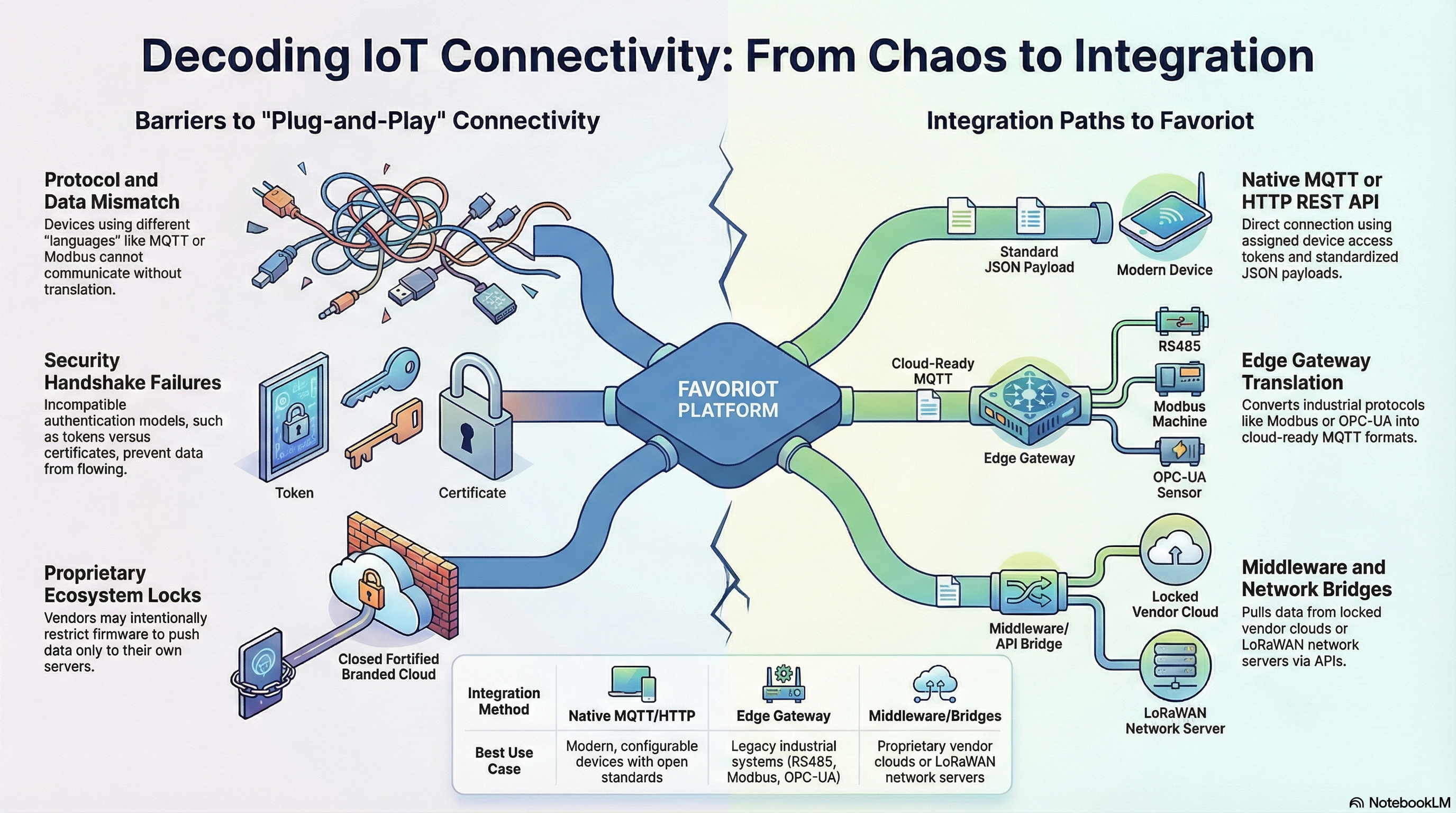
- Each device uses different protocols and standards, making integration difficult.
- Managing and troubleshooting a large IoT system requires expertise, which not all organisations have.
- Example: A smart factory with hundreds of IoT sensors may face operational issues if devices fail to communicate properly.
Why It Matters:
- Increased complexity can lead to inefficiencies, errors, and high maintenance costs.
3. Dependability
We risk becoming overly dependent as IoT technology becomes more integrated into our lives.
Key Issues:
- Reliance on IoT can lead to vulnerabilities if the technology fails.
- Example: If an IoT-enabled hospital system goes offline, critical patient monitoring could be disrupted.
- This dependence may also reduce human problem-solving skills over time.
Why It Matters:
- Overdependence on IoT can make systems fragile and disrupt critical operations during failures.
4. Lesser Jobs
With IoT driving automation, there is a potential reduction in the need for human labour.
Key Issues:
- Tasks once performed by humans are increasingly automated, leading to job displacement.
- Example: IoT-enabled warehouses replacing manual inventory management with automated systems.
Why It Matters:
- While IoT creates new opportunities in technology and data management, it also highlights the need for reskilling and upskilling the workforce.
Key Takeaways
While IoT is transformative, its adoption comes with challenges:
- Privacy & Security: Protecting user data is essential to building trust.
- Complexity: Managing diverse devices requires expertise and proper planning.
- Dependability: Balancing IoT use with human oversight is crucial.
- Lesser Jobs: Emphasis on training and reskilling is needed to address job displacement.
Discussion Question: Considering these challenges, what measures would you recommend to address IoT’s disadvantages in your industry? Let’s brainstorm solutions together!
[Based on eBook — IoT Notes by Mazlan Abbas]

![[Project Challenge] Smart Behaviour Analytics for Shopping Mall Based on the Favoriot Insight Framework](https://iotworld.co/wp-content/uploads/2026/03/Insight-Framework-for-Smart-Malls.png)

![[Project Challenge] Smart Energy Management Using the Favoriot Insight Framework](https://iotworld.co/wp-content/uploads/2026/03/image.png)
Leave a Reply