

A Structured Pathway to Achieving Smart City Maturity
Malaysia’s Smart City initiative is guided by a structured and pragmatic framework developed by PLANMalaysia, aligned with MS ISO 37122:2019 – Sustainable Cities and Communities – Indicators for Smart Cities. Rather than positioning smart cities as a technology race, Malaysia adopts a maturity-based approach that allows cities to progress at their own pace based on readiness, capacity, and governance capability.
This framework, known as the Smart City Maturity Journey, provides local authorities with a clear roadmap for planning, implementing, measuring, and continuously improving smart city initiatives.
The Purpose of the Smart City Maturity Framework
The Smart City Maturity Framework serves three primary objectives:
- To provide clear benchmarks for assessing a city’s smart city readiness and progress
- To ensure technology adoption is aligned with governance, data, and policy
- To promote sustainable, scalable, and citizen-centric development
The framework recognises that cities differ in size, resources, and institutional maturity. As such, it introduces four progressive levels, preceded by a Pre-Smart City stage.
Pre-Smart City: Establishing the Foundation
Cities at the Pre-Smart City stage typically have limited digital integration and rely heavily on manual processes. Data is often siloed within departments, with no centralised governance or open data policy.
Key Characteristics
- No formal Smart City Action Plan
- Manual or fragmented data management
- Limited or no digital service platforms
- Absence of a command centre or analytics capability
Key Focus Areas
- Establishing leadership intent and vision
- Identifying priority urban challenges
- Developing a formal Smart City Action Plan
- Initiating cross-department engagement
This stage focuses on planning and alignment, not technology deployment.
Level 1: Smart City Early Adopter
At this level, cities begin introducing digital services and basic smart infrastructure to improve operational efficiency and citizen engagement.
Key Characteristics
- Online service requests and e-payments
- Smart street lighting and traffic systems
- Initial dashboards or mini command centres
- Formation of a Smart City Committee
- Compliance with 10 smart city indicators
Data & Analytics Capability
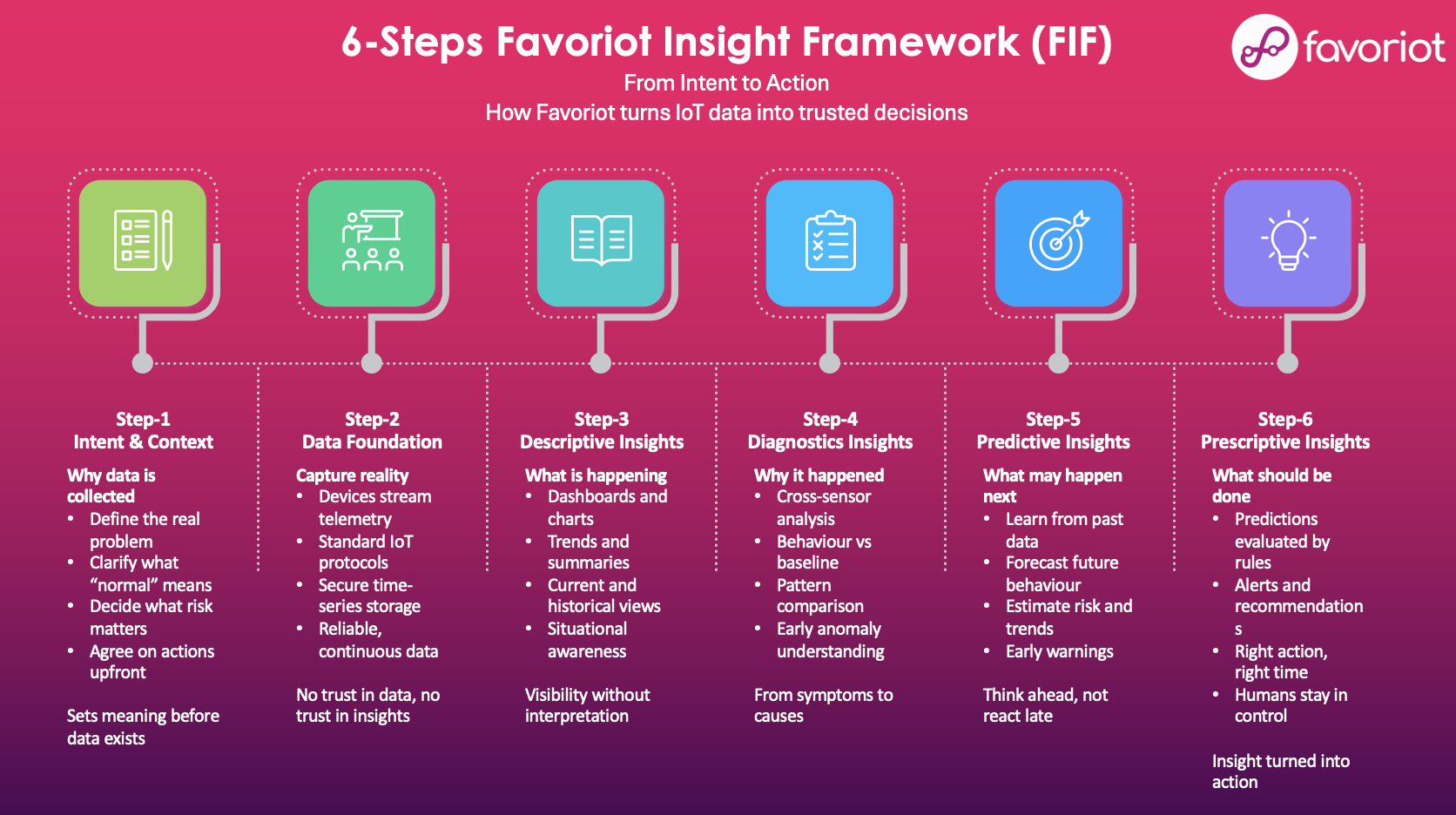
- Descriptive analytics to understand current conditions
Key Success Factors
- Prioritising high-impact, low-complexity initiatives
- Focusing on citizen-facing services
- Building internal confidence and capability
Cities typically achieve this level within 1 to 3 years.
Level 2: Developing Smart City
This stage marks the transition from isolated initiatives to coordinated smart city operations. Data integration and governance become critical.
Key Characteristics
- Active Smart City Committee and a dedicated unit
- Inter-department data sharing (intra-agency)
- Open data policy implementation
- Integrated command centre
- Compliance with 35 smart city indicators
Data & Analytics Capability
- Descriptive and diagnostic analytics to identify causes and patterns
Key Success Factors
- Establishing data standards and ownership
- Strengthening inter-agency collaboration
- Investing in people and processes alongside technology
This stage requires institutional discipline and typically spans 3 to 5 years.
Level 3: Leading Smart City
At this level, smart city initiatives are embedded into daily operations and decision-making processes. Cities demonstrate maturity in governance, data use, and service delivery.
Key Characteristics
- Advanced command centre operations
- Comprehensive inter-agency data integration
- Deployment of predictive systems across sectors
- Smart mobility, energy, waste, health, and safety systems
- Compliance with 63 smart city indicators
Data & Analytics Capability
- Predictive analytics to anticipate risks and trends
Key Success Factors
- Linking smart city initiatives to city KPIs
- Using insights to guide policy and operational decisions
- Strengthening cross-sector collaboration
Cities at this level operate proactively rather than reactively.
Level 4: Visionary Smart City
The Visionary Smart City represents a state of continuous improvement rather than a final destination. Cities at this level integrate advanced technologies with strong governance to deliver long-term value.
Key Characteristics
- Full implementation and periodic review of Smart City Action Plan
- Automated and real-time data integration
- Advanced analytics, including prescriptive insights
- Adoption of next-generation IoT systems
- Compliance with all 85 smart city indicators
Data & Analytics Capability
- Descriptive, diagnostic, predictive, and prescriptive analytics
Key Success Factors
- Continuous policy refinement based on data-driven evidence
- Strong leadership commitment and institutional capability
- Sustained citizen engagement and transparency
Conclusion
Malaysia’s Smart City Indicators provide a clear, structured, and realistic pathway for cities to evolve at their own pace while maintaining alignment with national objectives and international standards.
The volume of technology deployed does not define success in the Smart City Maturity Journey, but by:
- The effectiveness of governance
- The quality and use of data
- The ability to translate insights into action
Ultimately, smart cities in Malaysia are built through consistent leadership, disciplined execution, and continuous learning, ensuring cities remain resilient, inclusive, and sustainable for the future.




Leave a Reply