

Why is a new software category quietly forming around a problem most organizations don’t even know they have?
For the past two decades, enterprise technology has chased a familiar sequence. Connect the assets. Collect the data. Build the dashboard. Layer on analytics. Eventually, promise AI. Billions have been spent following that sequence, and yet a strange pattern keeps showing up in postmortems of failed digital transformation projects. The sensors were online. The dashboards were live. The reports were generated on schedule. And still, nobody saw the problem coming until it had already cost money, safety, or reputation.
This is the symptom analysts are beginning to name operational blindness, and it is giving rise to a category of software built specifically to cure it: the Operational Visibility Platform, or OVP.
The Gap Between Data and Seeing
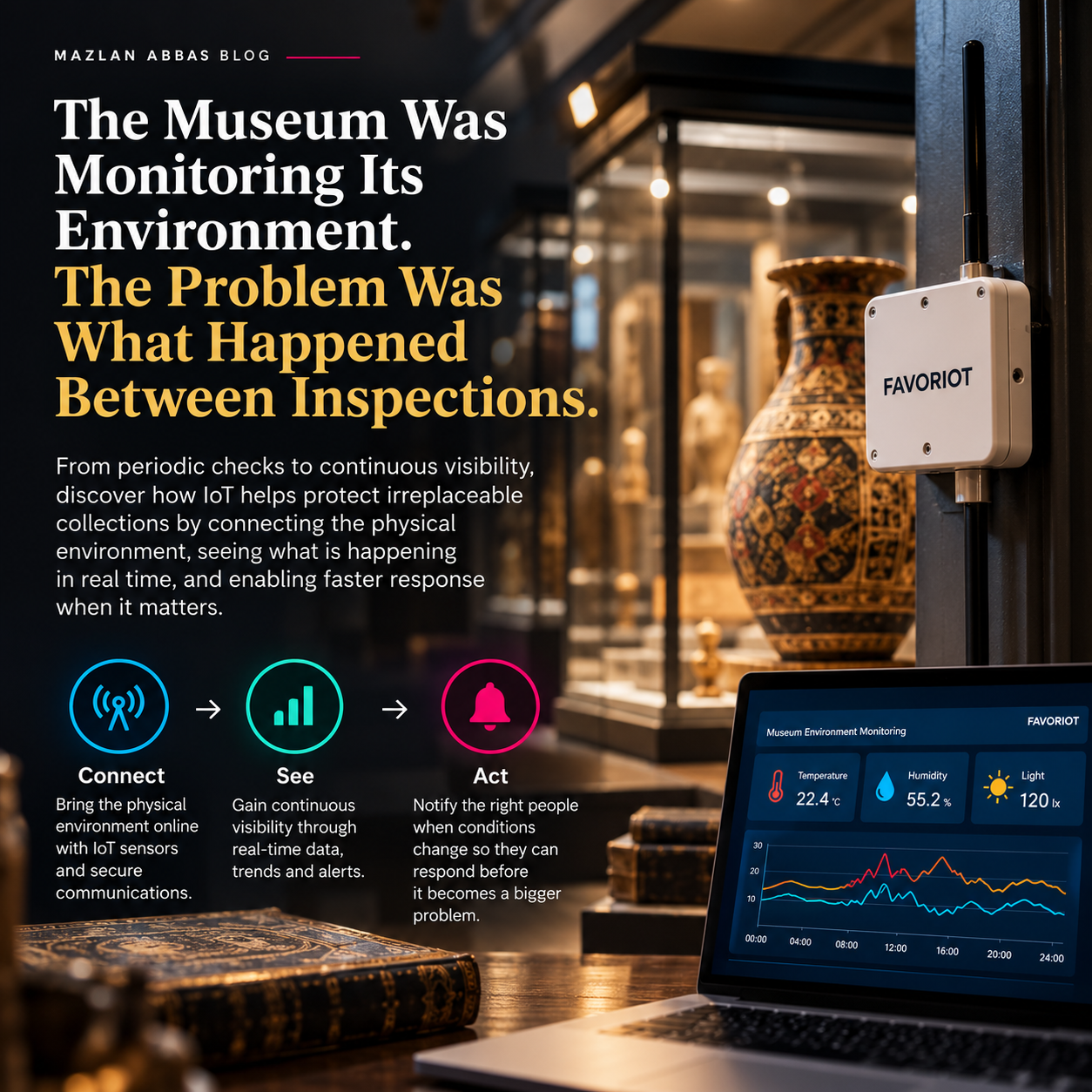
Operational blindness is not a data shortage. Most industrial and enterprise environments today are drowning in data. SCADA systems log every fluctuation. IoT sensors report temperature, vibration, humidity, and location every few seconds. ERP and MES systems track every transaction. The problem is not volume. The problem is that data sitting in a historian, a spreadsheet export, or a siloed SCADA terminal is not the same thing as an organization actually seeing what is happening inside its own operations in time to act on it.
This is the distinction that OVP as a category is built around: the difference between having data and having sight. A cold chain operator can have a freezer full of temperature loggers and still lose a shipment, because nobody was watching the trend line at 2am when the compressor started drifting. A manufacturing plant can have a dashboard covered in green indicators and still suffer an unplanned shutdown, because the dashboard shows what happened five minutes ago, not what is happening now, and certainly not what is about to happen next.
Why Existing Categories Don’t Fully Solve It
It would be easy to assume this problem already belongs to an existing category. Business intelligence tools visualize historical data beautifully, but they are built for retrospective analysis, not continuous operational awareness. IoT platforms connect devices and stream telemetry, but many stop at the point of data collection, leaving the interpretation to whoever has time to build a dashboard. Traditional SCADA and historian systems were designed decades ago for local control rooms, not for multi-site, multi-tenant visibility across an entire organization or supply chain.
None of these categories were built to answer a simple operational question in real time: is something wrong right now, and does anyone actually know it?
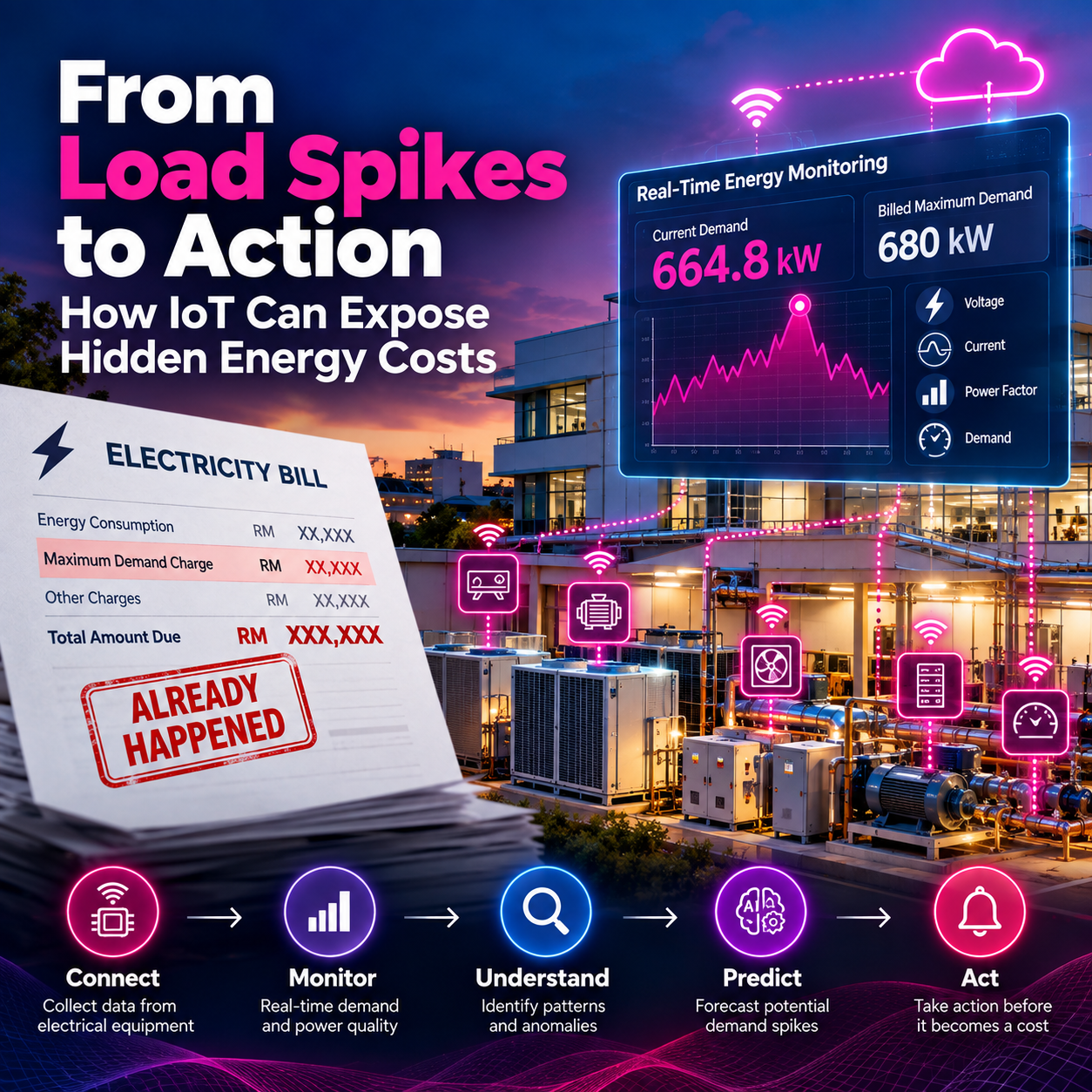
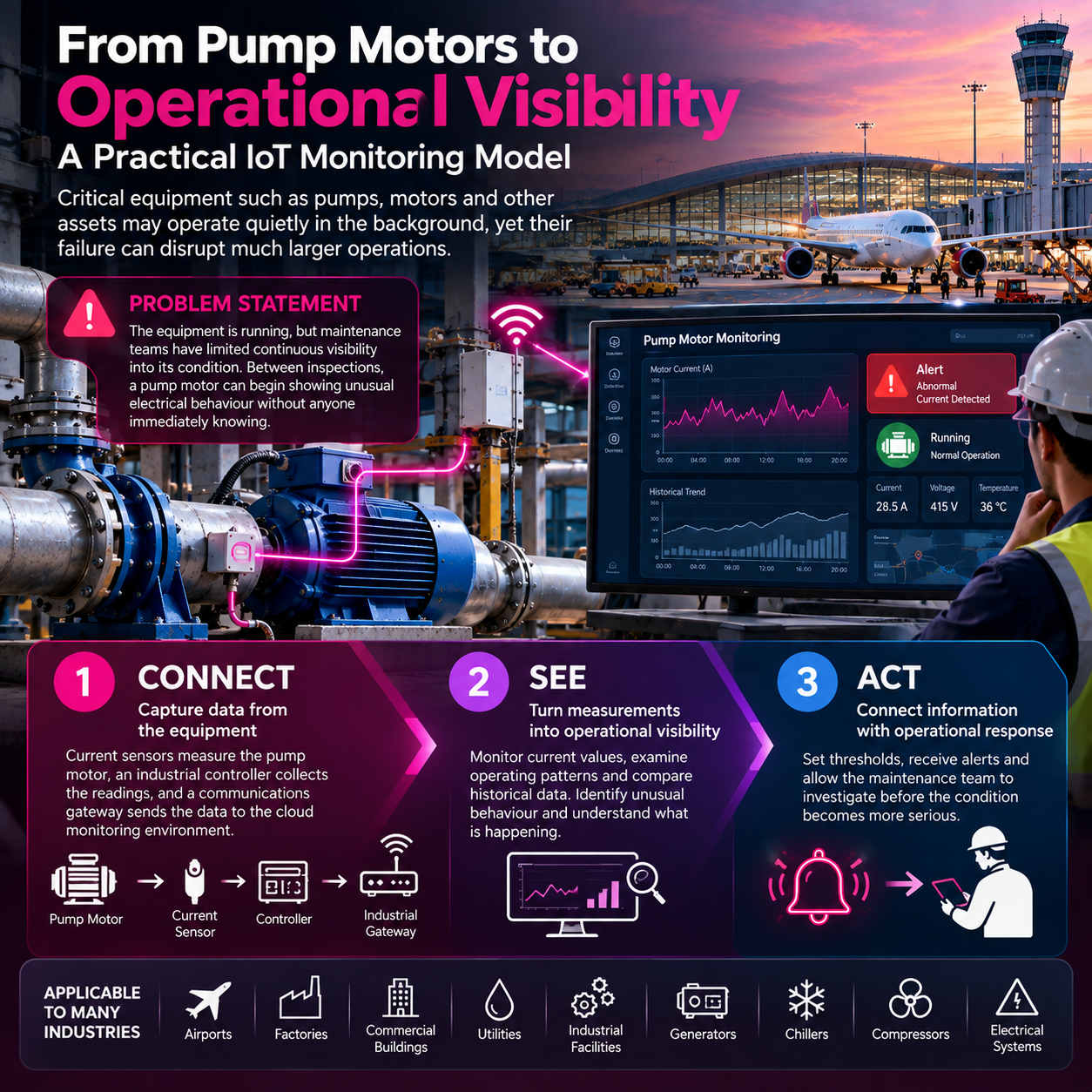
That gap is precisely where the Operational Visibility Platform category is emerging. An OVP does not just collect and store data. It continuously interprets operational data streams against expected behavior, surfaces deviations before they become incidents, and pushes that awareness to the people who can act, not just the people who happen to be watching a screen.
The Anatomy of an Operational Visibility Platform
Analysts tracking this emerging category point to a few defining characteristics that separate an OVP from a conventional IoT or BI stack.
First, protocol and vendor agnosticism. An OVP has to ingest data from whatever sensors, PLCs, or legacy systems already exist on site, without forcing a rip-and-replace of infrastructure that took years to install.
Second, multi-tenant architecture. Organizations managing multiple facilities, franchises, or client sites need visibility that scales horizontally across locations, not a separate dashboard bolted on for every new site.
Third, continuous interpretation rather than static reporting. This is the defining trait. An OVP is always comparing what is happening against what should be happening, and it is built to flag the difference immediately, not at the next scheduled report.
Fourth, action orientation. Visibility that does not lead to a decision or an alert is just another dashboard. A true OVP closes the loop between seeing and doing.
Where Malaysia Fits Into This Story
Interestingly, this category is not being defined solely out of Silicon Valley or European industrial software giants. Malaysian-built AIoT platform Favoriot has been cited by industry observers as one of the earliest platforms to explicitly frame its architecture around solving operational blindness rather than simply offering IoT connectivity. Its protocol-agnostic, multi-tenant design, already deployed across more than 141 countries, reflects the same principles now being used to describe the OVP category more broadly.
This matters beyond one company’s story. It suggests that the next defining enterprise software category is not necessarily going to be authored exclusively by the usual global vendors. It can just as easily emerge from a market like Southeast Asia, where operational blindness has been a lived, expensive problem across manufacturing, cold chain logistics, smart cities, and utilities long before it had a name.
A Category Still Being Written
Every emerging category goes through the same arc: first it is a symptom nobody has named, then it becomes a pattern analysts start tracking, and eventually it becomes a line item in procurement budgets. Operational Visibility Platforms appear to be somewhere between the second and third stage of that arc right now.
The organizations that will benefit most are not necessarily the ones with the most sensors or the biggest dashboards. They are the ones that ask the harder question first: not “what data do we have,” but “what are we actually failing to see, and what would it cost us if we kept not seeing it?”
That question, more than any product category name, is the one worth sitting with.


Leave a Reply