

A customer wants to monitor equipment across several sites. The conversation sounds promising. There may be sensors to install, networks to configure and a dashboard for the operations team. Then comes the request every solution provider wants to hear: “Send me a proposal.”
It can feel like the project has moved forward. Yet in IoT, a proposal request may arrive before anyone has agreed on the problem, checked the existing equipment or established who will pay for the work. The supplier is asked to design and price a solution while the customer is still exploring what might be possible.
That gap creates trouble for both sides.
A Price Built on Unknowns
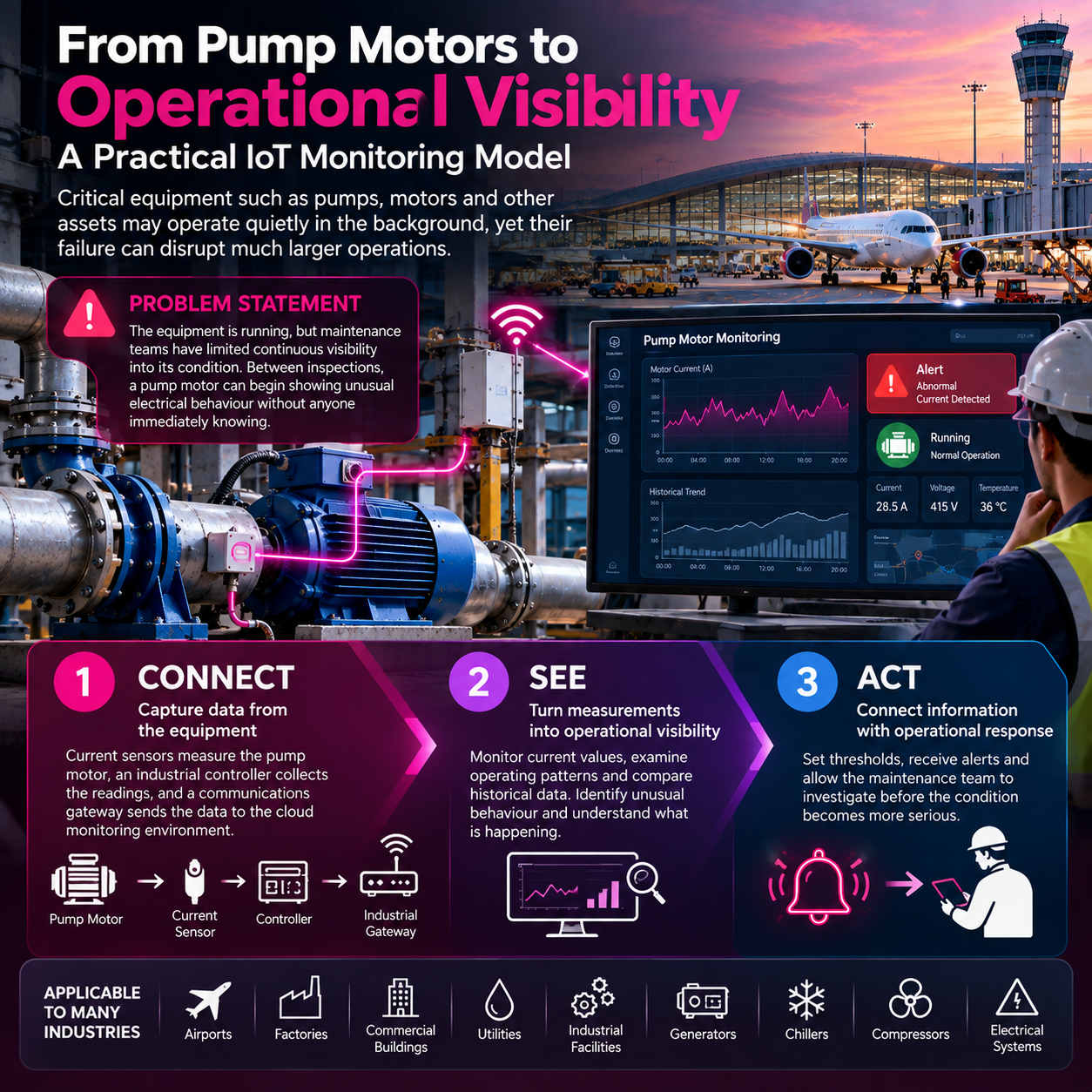
Consider a request to monitor water pumps at ten sites. To prepare a credible proposal, the supplier needs to know what the customer wants to detect. Is the concern that a pump has stopped, that it is consuming too much energy or that it may fail soon? Each answer may call for different data, devices, alerts and site work.
The supplier also needs to know whether the pumps already have controllers or sensors, what connectivity is available and who can access each site. Without those details, even the number of devices can be a guess. A polished architecture and a precise price can give the impression that these questions have been settled when they have not.
“Give us your best proposal” is understandable when a customer wants help shaping an idea. It also asks a supplier to make assumptions that could change the cost substantially. Hardware providers, installers, connectivity companies and software teams may all spend time pricing their parts of a project that has no approved budget or decision date.
Why Good Proposals Disappear
Some proposals receive no response because the customer has chosen another supplier. Others disappear for reasons that have little to do with the proposed technology. The person who requested the document may not own the budget. Procurement may require a tender that has yet to be planned. Operations may like the idea, while the finance team has other priorities.
There is a human cost behind that silence. Engineers and partners may have spent days working through architecture and estimates. The customer, meanwhile, may receive a document full of technical choices before their team has agreed on what success would look like. Neither side has enough clarity to take the next step.
Five Questions Before the Proposal
A short discovery conversation can save considerable work and give the customer a better answer:
- What operational decision should this project improve? A useful answer is more specific than “we need a dashboard.” It might be “our team needs to know within ten minutes when a remote pump stops.”
- What assets and data are already available? Existing sensors, controllers, records and site conditions affect the scope.
- Who owns the problem and the budget? The technical contact, daily user and person approving expenditure may be different people.
- When could the project start, and how will a supplier be selected? This reveals whether the request is tied to an active purchase or an early study.
- What must the first phase prove? A small pilot with clear acceptance criteria can answer questions that a large speculative proposal cannot.
If these answers are unavailable, the next step may be a paid assessment. That work can include a site review, device checks, data requirements, responsibilities, cost ranges and a recommended pilot scope. The customer gets a basis for deciding what to buy, and potential suppliers can price the same defined work.
A proposal is valuable when it helps people make a decision. In IoT, that begins with understanding the operation on the ground. Before asking how many sensors, gateways or dashboards a project needs, ask what the team must be able to see and what they will do when they see it.



Leave a Reply