
IoT depends on complementary expertise
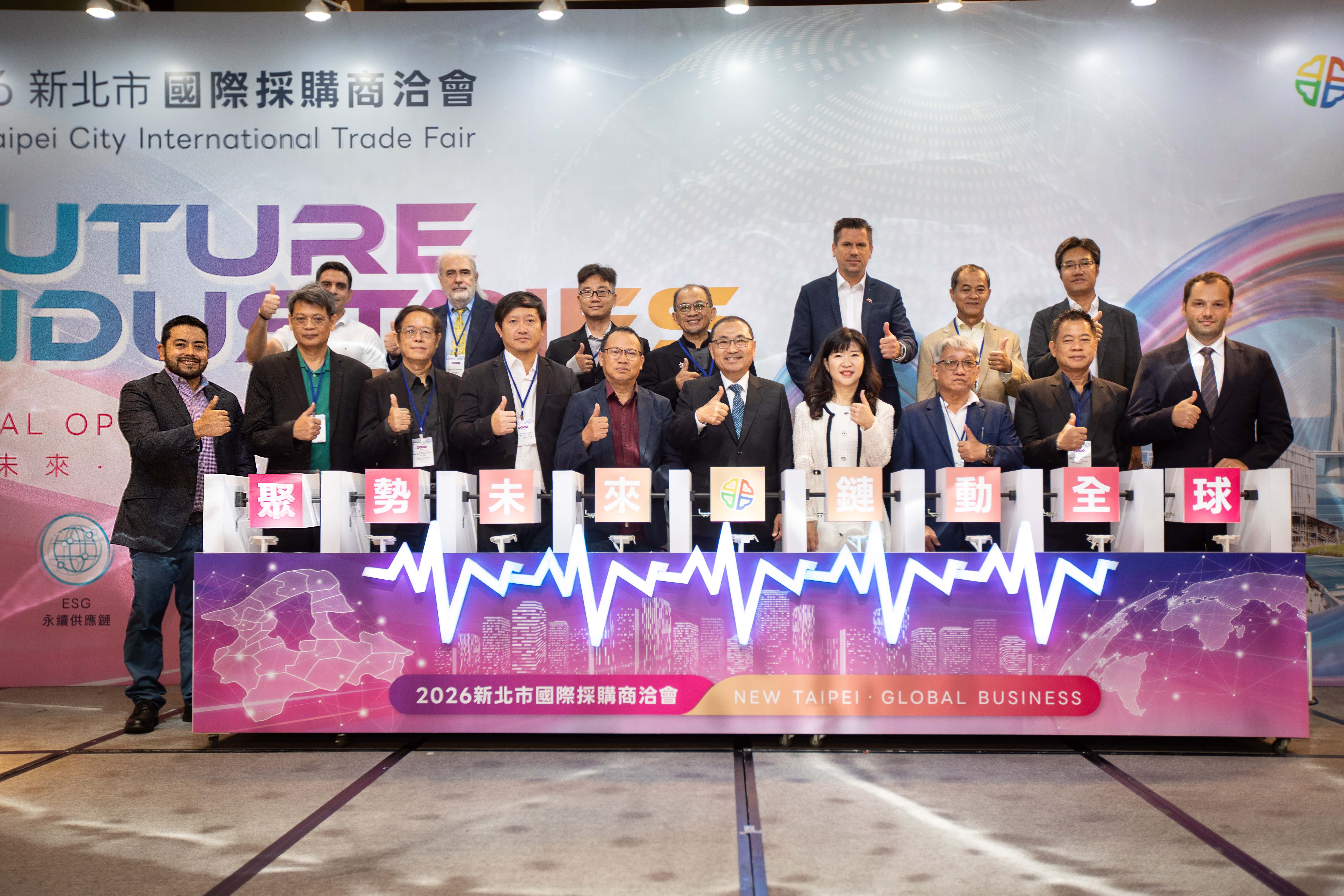
A series of recent meetings with Taiwanese companies highlighted a practical feature of the region’s IoT ecosystem: many firms understand their position in the technology value chain and build their business around a defined area of expertise.
One company may focus on sensors, another on gateways or communications, while others specialise in energy systems, software or connectivity. This focus allows each firm to develop knowledge in a specific part of the stack while remaining open to collaboration with companies that handle other parts.
This model reflects the structure of IoT itself. A working solution may involve field equipment, connectivity, data management, analytics, user applications and ongoing service. These components need to work together, but they do not all need to come from the same supplier.
From individual products to connected capabilities
For buyers, a collection of strong products does not automatically make a complete solution. The challenge is to connect those capabilities around an operational need, define responsibilities and make sure information can move between the relevant systems.
This is where partnerships across the technology stack can help. A device provider, network specialist, platform company and solution integrator can each contribute the experience needed for their part of a project. The partners still need to coordinate, but each can begin with a clearer understanding of its role.
FAVORIOT’s role is to provide an AIoT platform for operational visibility. It helps organisations collect data from connected assets, present that information in a useful way and respond when conditions require attention. The platform can work alongside companies supplying devices, networks, specialist applications and customer-facing services.

Benefits of a partner network
A group of partners with complementary capabilities can bring practical value to projects:
- Broader solution coverage: Customers can combine suitable hardware, connectivity, platforms and services without expecting one vendor to supply every component.
- Defined responsibilities: Clear roles can make project scope, support arrangements and handovers easier to discuss.
- Wider market access: Partners can introduce one another to customers, sectors and regions beyond their individual reach.
- Shorter development cycles: Existing products and field experience can reduce the need to build each component from the beginning.
- Greater flexibility: Customers can choose components that suit their sites, budgets and technical requirements.
- Stronger customer confidence: A trusted relationship with one supplier can help open conversations with other members of the delivery team.
- Multiple routes to market: Opportunities can come through different partners, reducing reliance on a single sales channel.
- New joint offerings: Projects can reveal demand for shared services, packaged solutions or new market applications.
These benefits depend on more than signing partnership agreements. Companies need a clear view of their contribution, a workable way to coordinate and a shared understanding of what the customer is trying to achieve.
A focused role can support wider growth
The Taiwanese companies’ clarity about their strengths offers a useful reference for businesses working across IoT. Specialisation does not limit a company’s contribution. When its capabilities connect well with those of others, that focus can help make the larger solution stronger.
For FAVORIOT, the aim is to make operational visibility available as part of a wider technology stack. The platform does not need to own every layer to be valuable. It needs to connect effectively with the devices, networks, applications and services that customers already use or plan to adopt.


Leave a Reply